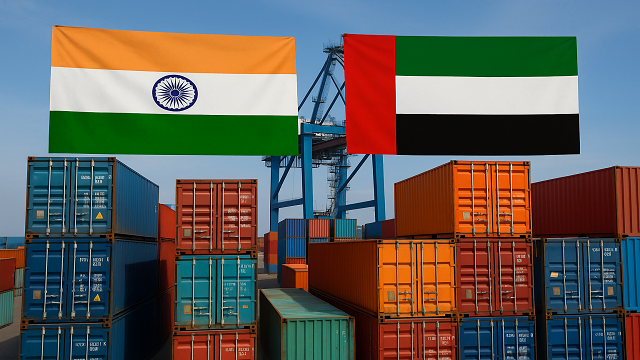
Trade relations between India and the United Arab Emirates have always been strong, shaped by centuries of cultural exchange, migration, and commerce. However, in recent years, the relationship has taken a more structured and strategic direction, particularly with the signing of the Comprehensive Economic Partnership Agreement (CEPA). The most ambitious target within this framework is to double the bilateral non-oil, non-precious metal trade to $100 billion, a milestone that could reshape economic opportunities for both nations.
Why Non-Oil Trade Matters
The UAE’s economy has long been associated with crude oil exports and gold trading, while India is one of the largest importers of these commodities. But diversification has become a global necessity. Falling oil prices, climate change initiatives, and the need for sustainable growth have forced countries like the UAE to look beyond hydrocarbons.
For India, the world’s most populous nation and one of the fastest-growing economies, reducing dependency on oil imports while boosting exports is equally crucial. The non-oil trade corridor provides a chance for businesses to access fresh opportunities in technology, manufacturing, agriculture, and services.
Sectors Set to Benefit
1. Textiles and Apparel: India’s textile sector, already a significant exporter to the Middle East, will gain new momentum with reduced tariffs and better logistics. UAE’s position as a global re-export hub means Indian garments can easily reach European and African markets via Dubai.
2. Agriculture and Food Processing: India’s agri-products such as rice, spices, tea, and processed foods are in high demand in the Gulf. With population growth in the Middle East, food security is a priority, making India a natural partner.
3. Technology and Startups: Dubai and Abu Dhabi have positioned themselves as hubs for fintech, AI, and smart cities. Indian startups and IT firms can collaborate to bring cutting-edge solutions, opening a two-way channel for investment and innovation.
4. Renewable Energy: Both India and the UAE have ambitious renewable energy goals. Joint ventures in solar, wind, and green hydrogen projects are already underway, offering lucrative opportunities for private companies.
5. Services and Tourism: With improved visa agreements and easier travel links, professional services, healthcare, and tourism are expected to flourish. Medical tourism from the UAE to India, for example, has grown steadily due to cost-effective healthcare.
Opportunities for Small and Medium Enterprises (SMEs)
While big corporations are always at the center of trade deals, SMEs stand to benefit the most. Lower trade barriers mean that small exporters in India can now access UAE markets without prohibitive costs. Similarly, UAE-based SMEs can collaborate with Indian manufacturers for cost-efficient production.
Examples include:
-
A small Indian spice exporter finding direct buyers in UAE supermarkets.
-
A Dubai-based logistics startup partnering with Indian shipping companies.
-
Boutique fashion brands in India showcasing their collections in UAE malls.
Logistics and Connectivity: The Game Changer
The success of this trade expansion depends heavily on connectivity and logistics. Direct shipping routes, better port facilities, and digitalized customs clearance are being introduced. Air cargo partnerships are also expected to reduce delays, especially for perishable goods. The International Financial Centre in Abu Dhabi and the GIFT City in Gujarat are also set to play major roles in simplifying cross-border financial transactions.
Challenges Ahead
Despite the optimism, challenges remain:
-
Regulatory hurdles: Tariff reductions require constant updates and harmonization of policies.
-
Competition: Other Asian economies, such as Vietnam and Bangladesh, are also eyeing the Gulf markets.
-
Currency volatility: Exchange rate fluctuations between the Indian Rupee and UAE Dirham could impact exporters.
-
Sustainability concerns: Environmental regulations in both countries might require businesses to adopt greener practices, raising costs in the short term.
Strategic Impact on the Global Economy
The India-UAE non-oil trade expansion is not just about two nations; it reflects the larger shift in global trade away from oil dependency. As the Middle East diversifies, partnerships with populous and growing economies like India will shape the 21st-century trade map. For India, this relationship is also critical in countering China’s dominance in Gulf markets.
Voices from the Business Community
Many industry leaders in both nations have expressed optimism. Indian exporters highlight that UAE’s role as a re-export hub allows them to reach Africa and Europe faster. Emirati investors see India as an attractive destination due to its young workforce, expanding digital infrastructure, and strong consumer base.
What Businesses Should Do Now
For businesses looking to take advantage of this trade boom, the steps are clear:
-
Research market needs: Identify which products or services are in demand in UAE.
-
Leverage digital platforms: E-commerce and B2B platforms can help small players reach overseas buyers quickly.
-
Strengthen compliance: Understand the regulatory framework under CEPA to avoid legal complications.
-
Network actively: Participate in trade expos, industry fairs, and government-backed delegations.
The Road to $100 Billion
The ambitious target of $100 billion in non-oil trade is achievable if both governments and private businesses work in tandem. With strong political will, economic reforms, and private sector enthusiasm, India and UAE could set a benchmark for South-South cooperation.
Conclusion
The India-UAE trade partnership marks a new chapter in international commerce. Moving beyond oil and gold, both nations are laying the groundwork for a diversified and resilient economic future. Whether you’re a small exporter, an entrepreneur, or an investor, this is the time to align strategies with this growing corridor.
The road may have challenges, but the destination, a $100 billion non-oil trade relationship, promises growth, innovation, and prosperity for both India and the UAE.